Raw Truths and Inner Realities: The September Noisy Brain Submissions
Fourteen independent artists open up about survival, mental weight, and the raw need to create.
By Markus ·
Looking back at September 2026, we received a total of 14 submissions among our reviews that explicitly answered the questions for our monthly Noisy Brain feature. Here are their stories.
Anyone who has ever spent a late night alone with headphones on knows that tracking songs is rarely about pristine signal chains, streaming algorithms, or industry playbooks. When you're grinding between shifts, paying rent, raising kids, and trying to keep your head above water, sitting down at an instrument or a DAW is often the only space where the static in your mind actually quiets down. Music acts as medicine in the most unglamorous, practical sense, a blunt tool to dump whatever is eating at you into chords and drum patterns before it turns toxic.
Putting those private thoughts onto tape and letting other people hear them isn't comfortable. But when an artist takes chronic pain, isolation, or daily anxiety and locks it into three or four minutes of sound, it stops being a private knot in their stomach and becomes something someone else can lean on. The fourteen artists below skipped the usual PR polish; they talked straight about what keeps them upright, the baggage that comes with playing their songs live, and why quitting music was never on the table.
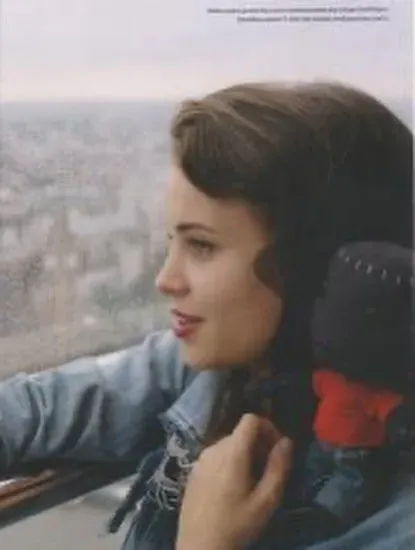
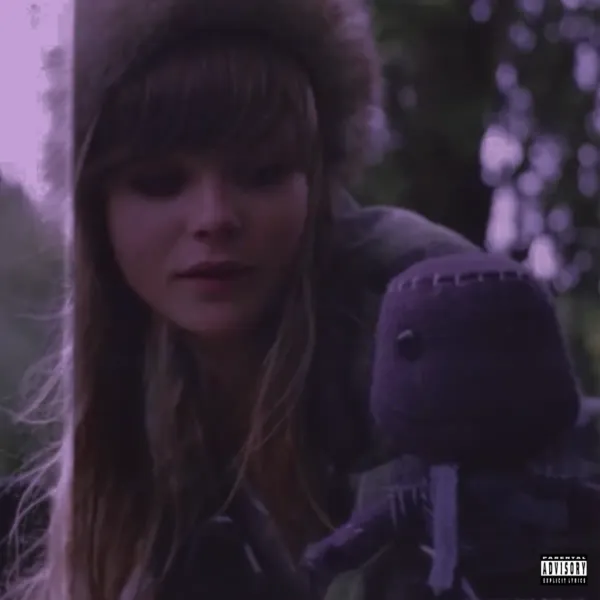
Southserve
For Southserve, writing is about "getting every thought i have that's either negative or positive into something that can change lives." That process of unfiltered honesty makes live execution heavy, but necessary. As they explain, "sometimes it's so hard to the point where i think to myself 'this is too real' but i feel the 'real' it is, the more likely it's something worthy to be said."
At the end of the day, connection is the primary anchor: "in my darkest moments knowing that someone resonates with X song shows me that i'm not alone as cliche as they may be. i want people to read the lyrics and think 'finally, this has been said'. and understand that it's okay to differ from tradition." Without music, they admit they would be "most likely stocking shelves at hot topic ha."
Track: Southserve - Hangover (Prod. @vobladobla) (Listen here) | IG: @southservesucks
 |  |
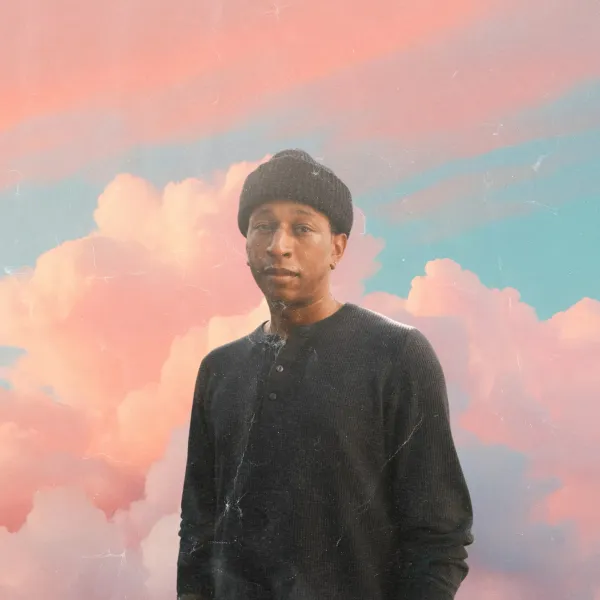
avecnayo
avecnayo treats songwriting as a sanctuary, sharing that it "helps me to take a step back and reflect, by giving me a sonic space to retreat into do deal with emotions." That space can capture moments so heavy they cannot easily be revisited. In fact, they have tracks off-limits for live sets: "Yes, I have a song that I won't perform. I had to write it as a form of therapy, but I know I won't be able to separate my feelings perform that song, as it freezes that emotion in time. In other word, I wrote the song as a release, but without the intention to ever perform it."
That willingness to document real experience remains vital for community healing. "I believe that allowing people to peek behind the curtain a bit, and know that you've gone through the same situations and experiences they have, helps them to feel less alone, and to hopefully work through their own trials and tribulations."
Track: Blueberry Boy (Listen here) | IG: @avecnayo
 |  |
Fourth Monk
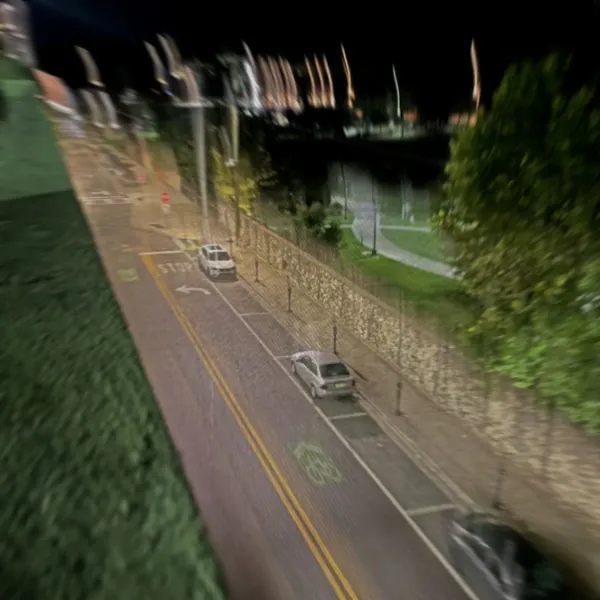
For Fourth Monk, stepping into the studio is an immediate act of survival against daily sensory overload. "Creating music extracts me from the noise of the world. It allows me to forget about the deadlines that are due, bills, and unnecessary drama happening in the world. It feels like a breathe of fresh air that you didn't realize you needed until you did."
That creative isolation provides essential balance. "Time doesn't exist, neither does the weight of the world on my mental state. It reminds me how important solitude is for the mind, body, soul, and spirit. It's a form of therapy you didn't think existed while you're painting the canvas with your scattered thoughts from the responsibilities that no longer matter."
Track: in the mood (Listen here) | IG: @fourthmonk
 |
Consequence
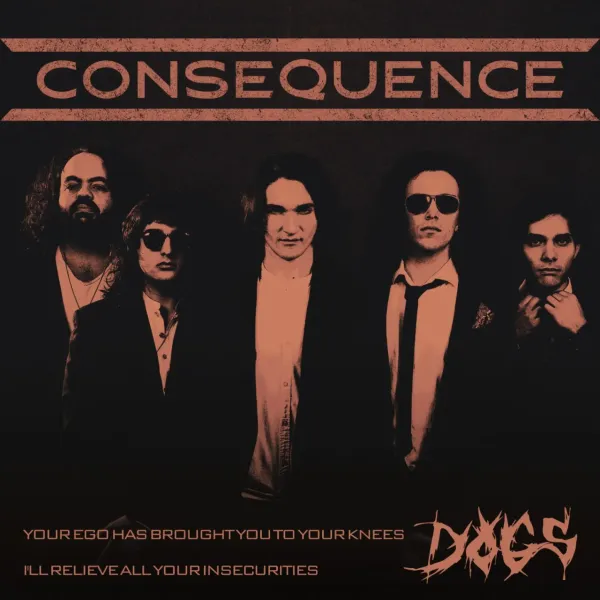
Consequence finds both physiological and mental relief in track creation. "Music helps me to reduce stress level and cortisol of course. But is also can have a therapeutic purpose give shape and externalize inner thoughts and demons in a way..."
Returning to personal subjects on stage is never a detached exercise, admitting that "every time it flows in to me." If music were completely off the table as an artistic path, their destination wouldn't drift far from sound: "Still playing an instrument."
Track: Dogs (Listen here) | IG: @weareconsequence
 |
Roger K
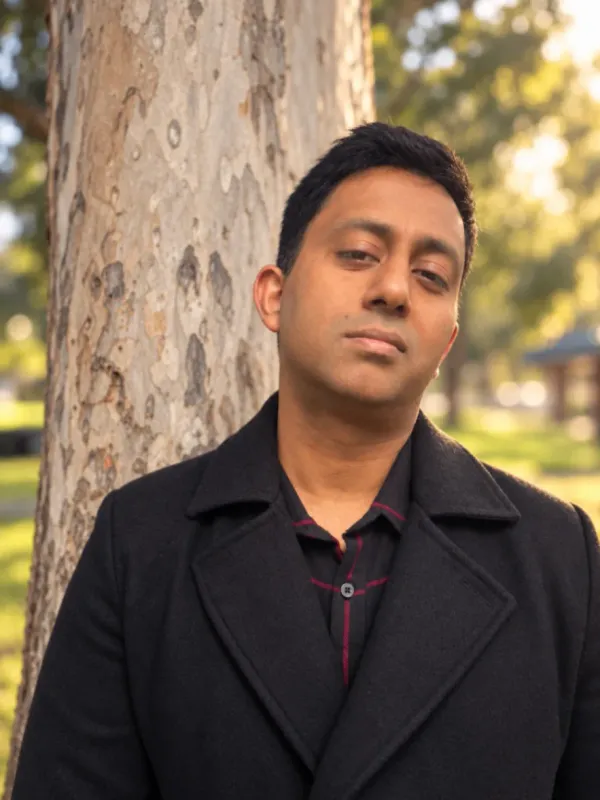
Roger K sees songwriting as a vehicle for stories that would otherwise stay hidden. "It gives me an avenue to express stories that I otherwise wouldn't tell. Sometimes the stories come from more of an intellectual or imaginative place, but songs such as Freedom and Plastic Hearts to me come from a deeply personal stories I want to tell." He points to an upcoming track about masking at work and how those dynamics carry over into parenting: "Like what social construct are we asking our children to build to be percieved as normal vs how much they want to self express... it's rarely the same or very rare you find a communal group of people you are always 100% comfortable with no matter what environment."
Balancing life as a bedroom artist while working a full-time job, direct responses from listeners fuel the drive: "My song Please Don't put it on me, all about the pressures we put on children and the burdens they carry, the most rewarding thing is getting private DM's across threads about how much the song affected them. That's what gives me great joy. I mean I have a 9-5, i don't have to pretend. The 9-5 keeps me afloat. I think my music gives me sanity."
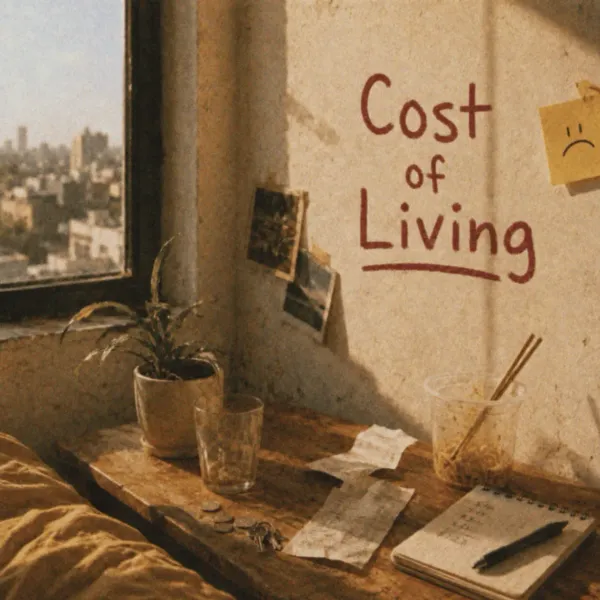
Track: Cost Of Living (Listen here) | IG: @kumarasingheroger
 |  |
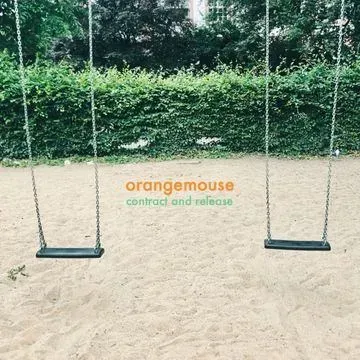
orangemouse
For orangemouse, production serves as a mental reset from the noise of daily obligations. "Sinking into music making helps dealing with everyday life. It has a great compensational impact on the one hand just to get into that flow state, on the other one it can open new perspectives."
Performing and revising songs does not reopen raw wounds, but instead offers resolution. "No, it is more a good catalyst to deal with things. For me personally it feels more healthy to get things out of the system."
Track: Contract and Release (Listen here) | IG: @orangemouse_official
 |
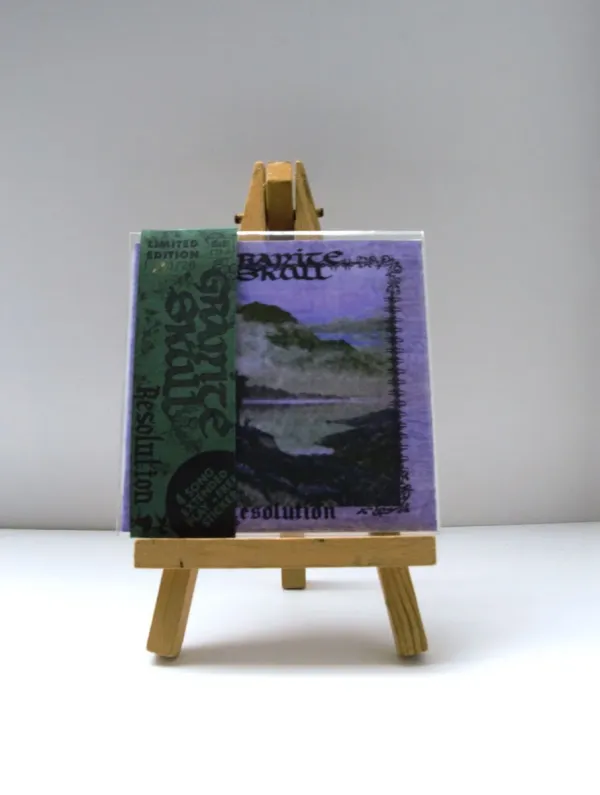
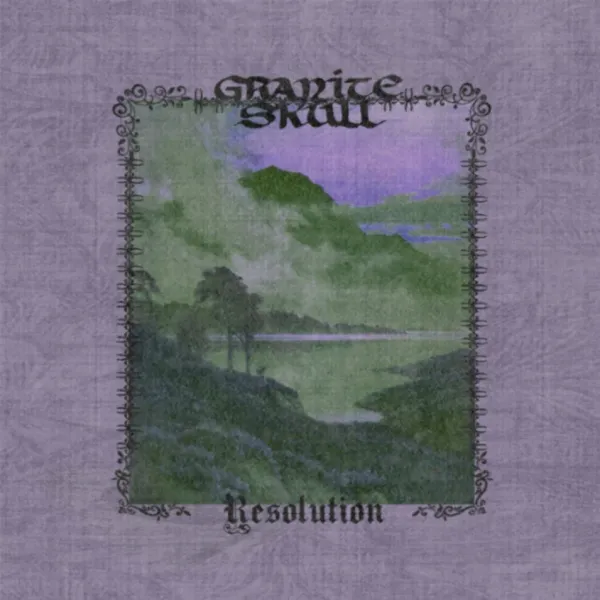
Granite Skull
Granite Skull pulls no punches about the foundational role of music in their survival: "music really has been my life, from listening, collecting, making, playing, releasing and so on. without it guiding me through life, i probably wouldn't be here. Even when a new release falls flat, the time making the music and the sense of self pride/worth as i listen back is all the reward i need. Natural high, big ol dopamine hit from creating something original from scratch with my messed up brain."
Having spent years leaning on artists whose words carried weight, they understand the grit it takes to keep building on your own terms. "since i don't consider this a career, i would be doing the same thing. which is struggling by in a dead end job just so i can go home and make or listen to music."
Track: Candyglass (Listen here) | IG: @granite_skull
 |  |
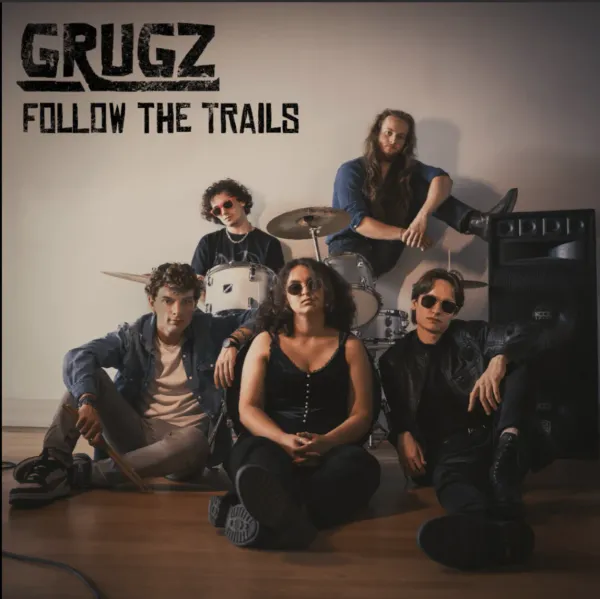
Grugz
Grugz describes music as a force that shapes the psyche from the ground up: "Music is an immensely important part of my mind as it behaves like a vector for creativity, having an impact on the way I think, my mood, etc. It not so much has an impact on my mental health as it does on my mind overall, influencing it at all stages."
That bond runs deeper than traditional verbal processing. "Sometimes we struggle to put words on feelings, and music is a fantastic outlet in that as it is much closer to raw emotions than writing. It is a different language that is shaped directly by them, and one can express what they feel through it ; lyrics and writing is the second step, which is a different exercise... Overall, it gives you the ability to express yourself, to get it out, which is often the problem with accumulated mental burdens : the fact that we cannot get away, that they accumulate and never get expressed and relieved."
Track: Blooming on the Grave (Listen here) | IG: @grugz_music
 |  |
WHFM
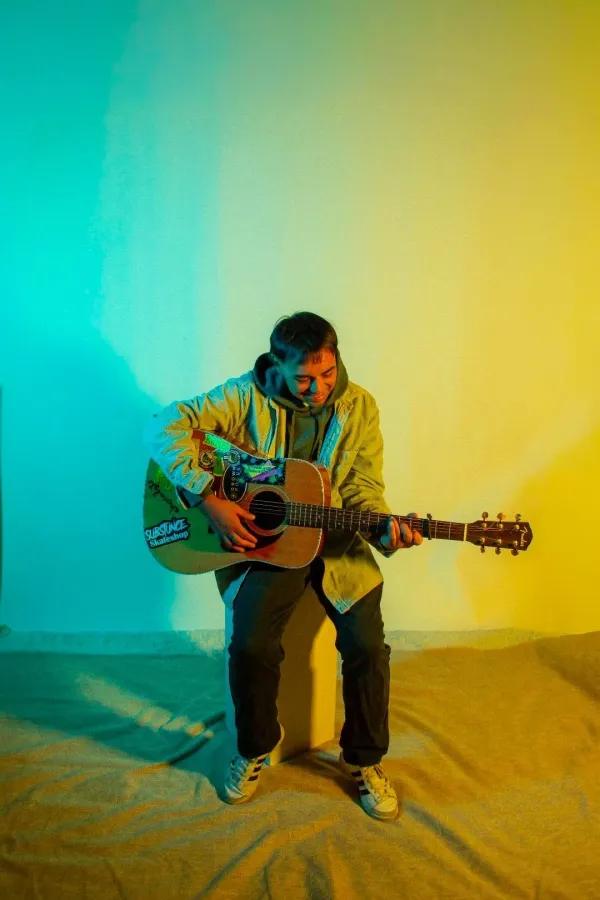
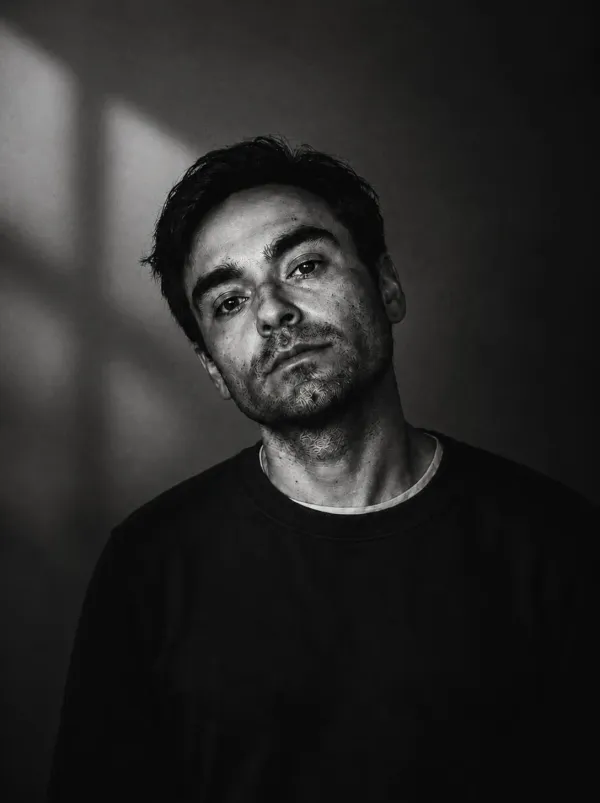
WHFM highlights the double-edged sword of mining difficult internal territory for material. "A lot of my songs are an outlet for me to say things im not comfortable saying out loud and it helps in that regard but also drives my anxiety up when im struggling to finish a song or ive gotten out what i wanted to say but being in that state of mind for so long can be exhausting when you are constantly thinking about all these emotions without even processing them."
Despite the exhaustion, knowing that listeners find solace keeps the effort grounded. "Absolutely, I write my music because im feeling a certain way and I know that there are millions of people that feel as alone as I do sometimes so If they find any comfort in my music that would mean the world to me." Outside of tracking tunes, their alternative outlet would be "Stand up comedy."
Track: ImHere (Listen here) | IG: @whfm_tunes
 |  |
W3 S33 GH0STS
W3 S33 GH0STS approaches composition with high emotional sensitivity. "Music plays a huge role in my mental well-being because (as an artist myself) I can feel pain through audio. I can tell when someone is hurting. Honestly, music dictates my life."
Revisiting heavy topics does not feel like a performance act: "I don't struggle, because its not a character for me." The craft remains their primary anchor through youth: "I would probably be miserable, as music is basically my life besides school."
Track: F4R3W3LL (Listen here) | IG: @w3s33gh0sts
 |  |
Alastair Macduff
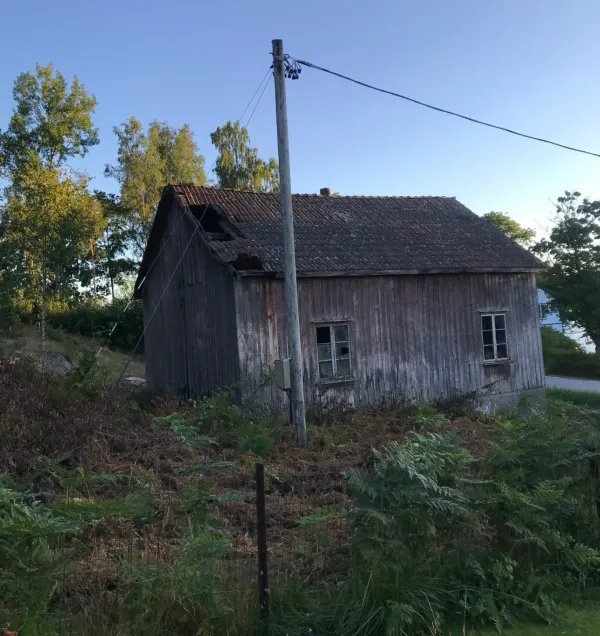
Alastair Macduff finds grounding in the craft of melody and arrangement, noting that "Knowing that a heart-melting chord change or unexpected, beautiful melodic twist in a track can change the course of your day is positive fuel for the soul."
Rather than autobiographical confessionals, Macduff draws inspiration from physical terrain: "The music I have written is inspired by landscapes. I guess it can benefit others in the sense of everything being subjective and everyone can take something different from specific moods." Outside music, he works as "a freelance english copywriter with a side-career in music."
Track: Said your name (Listen here) | IG: Not provided
 |
Dash13
For Dash13, creative work is tied directly to physical survival and long-term health battles: "As someone who has spent over ten years fighting to stay alive and overcome the unpredictability of illness, it has been the primary thing that has allowed me to express myself and given me a personal way to cope with my emotions. It’s not easy when interactions with others and sharing are clouded by difficulty; working within a professional paradigm is simpler, but dealing with it on your own is far harder."
Writing allows a direct conduit for that resilience, where lyrics never lose their weight: "No, I don't. The lyrics drive the emotion, and it doesn't get any easier after repetition. I would have written it differently otherwise. Meaningful lyrics only drive the passion and performance... Catharsis is so often something that people only turn to during the most stressful parts of their lives, but if they did so when in a good place, life might perhaps be easier."
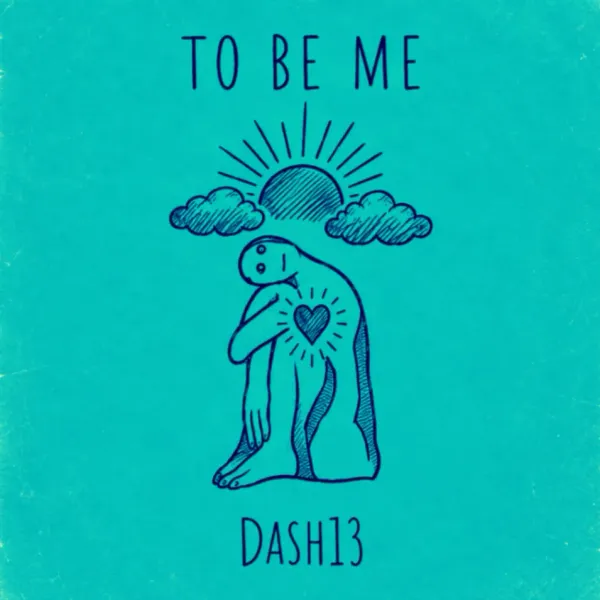
Track: To Be Me (Listen here) | IG: @idash13
 |
Toadstool Shadow
Toadstool Shadow relies on production as a release valve against creeping bitterness, having stepped into public releases later in life: "Writing and performing music is essential for me as an artistic release. If I didn't do it, I would be resentful and bitter and generally awash with negative emotion. I know this because I waited until later in life to actually expose my musical art to the public."
Rather than turning inward for lyrics, he looks deliberately outward into storytelling. "I tend to write songs about things outside of me, not inside of me. Performing, in general, is always a struggle, regardless of what emotion I'm trying to capture... I'm a married father with a typical American background. I much prefer to write about things outside of myself." Outside making art, he is "doing exactly what I aim to be doing: raising a family as a married father."
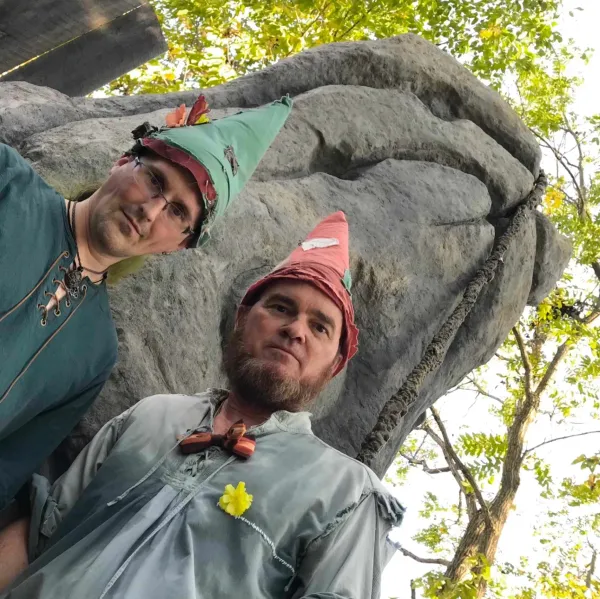
Track: Do Trolls Have Souls? (Listen here) | IG: @toadstoolshadow
 |
Lucet
Lucet describes track creation as an urgent defense against total internal collapse: "Lucet started as a way to deal with the existential anguish of modern times; the need to create is innate in humans. And as Jung said, a creative person who doesn't create develops psychosis. Personally, music has saved me from the madhouse or prison. This catharsis is my last refuge from depression and anxiety."
Performing these songs reflects an evolving transformation rather than a static snapshot: "You can never bathe twice in the same river. Once the emotion has transformed, it now belongs to a new state of alchemy. The emotion is still there and remains the same, but the person feeling it is no longer the same. Capturing the inner universe in an artistic material manifestation saves us from expressing it in destructive ways. And the ability of art to reveal something to others that they can resonate with is, in itself, a form of high ritual magic."
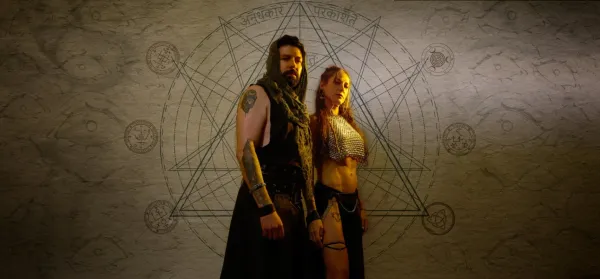
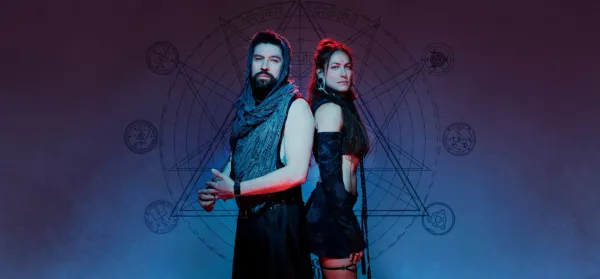
Track: Missing (Listen here) | IG: @elit.lucet
 |  |
Being open about the rough patches without sugarcoating things is what keeps independent music real. If you're reading this late at night, staring at an empty arrangement window and wondering if any of the effort matters while juggling life outside the room, trust that putting honest work into the world counts. Keep making noise, keep getting it out of your head, and don't feel pressured to pretend it's easy chances are, someone else needs to hear exactly what you're dealing with.
Read here our initial article about Noisy Brain: https://www.spinlog.de/post/noisybrain
You want to be part of this? It's quite easy – give us a follow on Instagram: @telnhq, @40maghq and @thenoisybrainer.
The Noisy Brain Feature: 'The Track That Saved Me' & 'Music As Medicine' (Optional)
We believe that a break becomes a badge of honour. In collaboration with The Noisy Brain, we explore how mental and emotional struggles shape the music we produce. Answer below to be considered for a special editorial feature in our FOR THE CULTURE section.
Double Your Chances & Reach: Selected stories drop every 2nd Sunday in a month with dedicated cross-promotion to a combined network of 6,000+ followers (The Noisy Brain, Stuart Mills, and Spinlog MAG/40MAG).
(Note: This is 100% optional and completely decoupled from your main music review. Even if your track isn't selected for a standard review, your story can still be chosen here, giving you a second independent path to get featured!)